
Overview of Renal Surgical Interventions
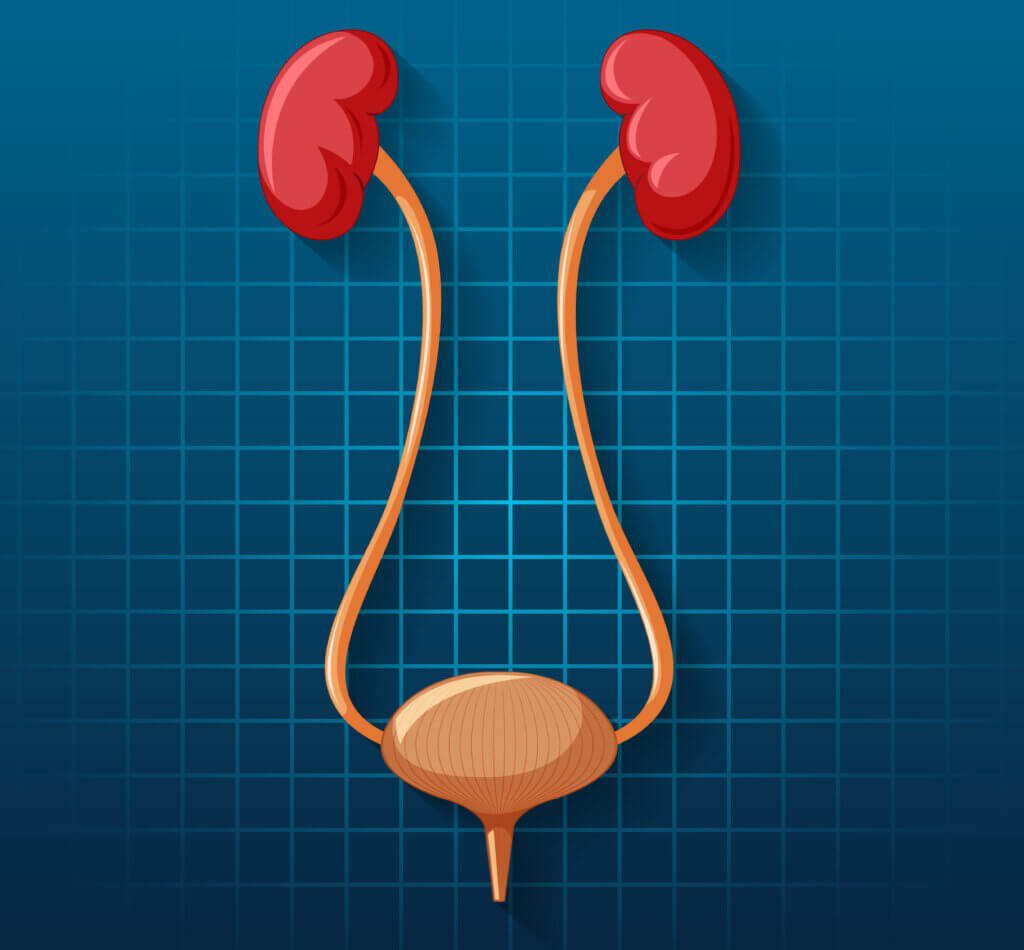
A spectrum of renal procedures may be indicated based on the severity and etiology of the kidney disorder. Common renal pathologies include nephrolithiasis, renal cysts, benign and malignant renal masses, and ureteral obstructions. Many of these conditions can be managed using minimally invasive laparoscopic techniques, promoting faster recovery and reduced morbidity.
Management of kidney stones includes:
- Extracorporeal Shock Wave Lithotripsy (ESWL): A non-invasive modality utilizing shock waves to fragment calculi for natural expulsion.
- Percutaneous Nephrolithotomy (PCNL): A surgical option for the extraction of large or complex calculi not responsive to less invasive methods.
Laparoscopic cyst decortication is employed for symptomatic renal cysts, while laparoscopic pyeloplasty is indicated for correction of ureteropelvic junction (UPJ) obstruction.
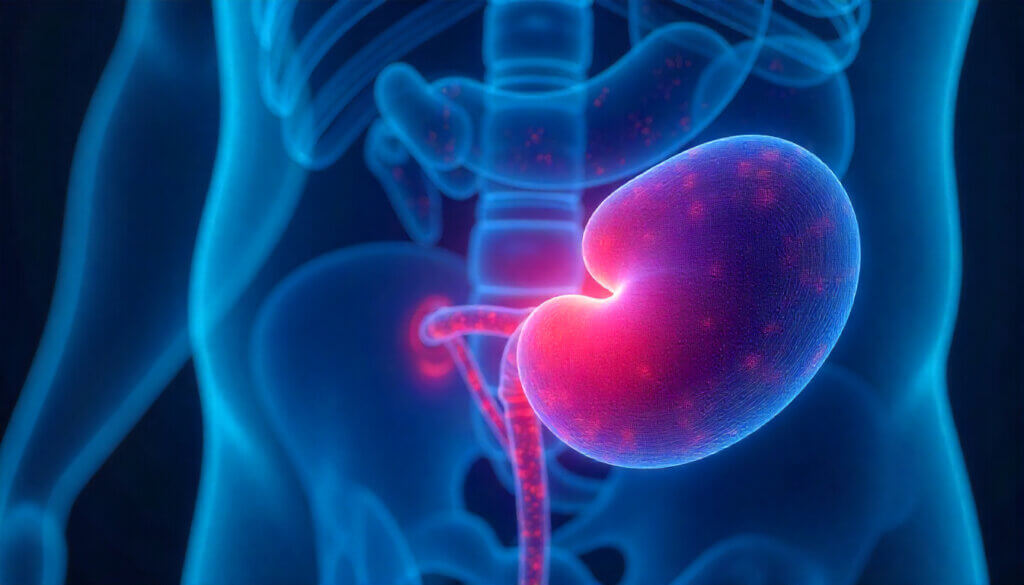
In cases of renal neoplasms or non-functioning kidneys, nephrectomy may be performed—either radical, involving complete removal of the kidney, or partial, involving nephron-sparing excision of the tumor. These procedures may be conducted via open or laparoscopic approaches depending on the clinical context.
Laparoscopic Partial Nephrectomy
Laparoscopic Radical Nephrectomy