
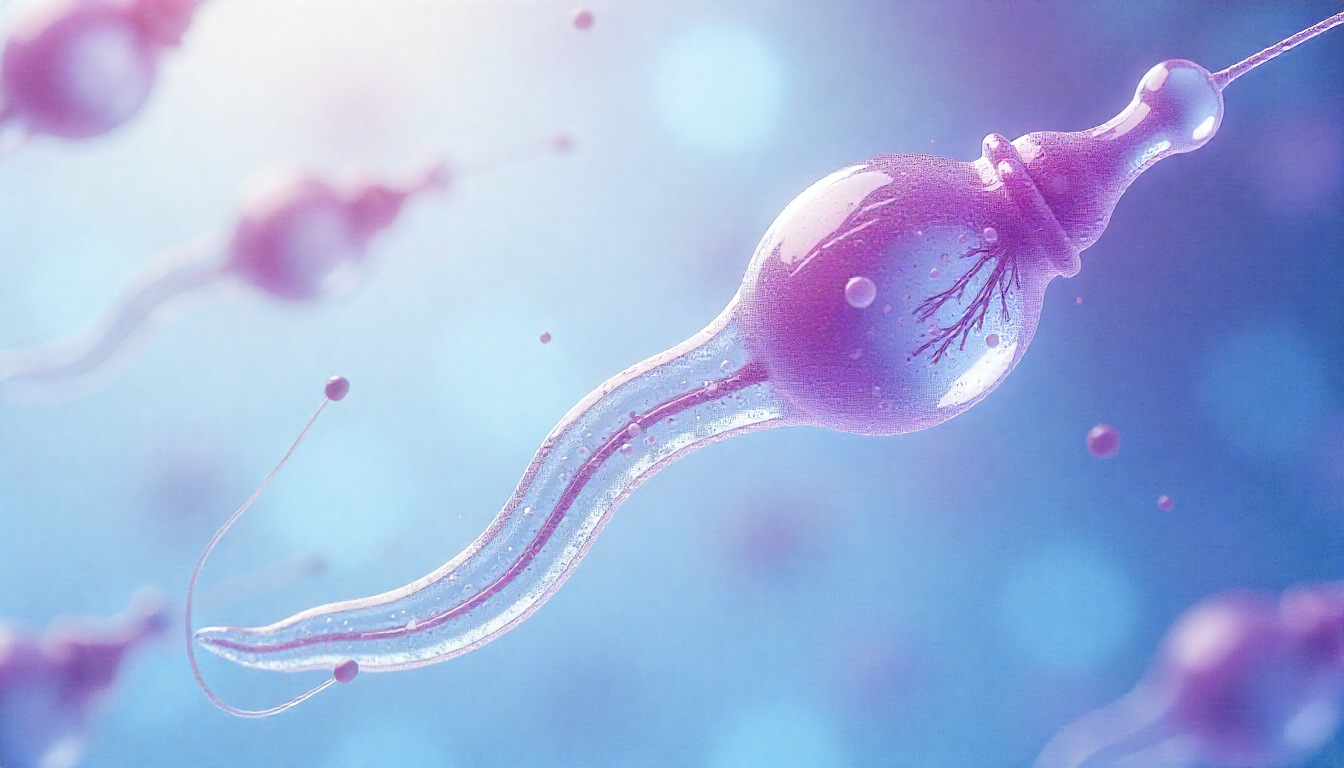
Male external reproductive disorders primarily involve the penis and testicles, affecting sexual function and fertility. The testicles produce testosterone and sperm; disorders can lead to hormonal issues and infertility. Common procedures include vasectomy and reversal, hydrocelectomy, varicocelectomy, orchiectomy, and penectomy. Fertility treatments include TESE and MESA. Other surgeries include circumcision, dorsal slit circumcision, and inflatable penile implants for erectile dysfunction or reconstruction.
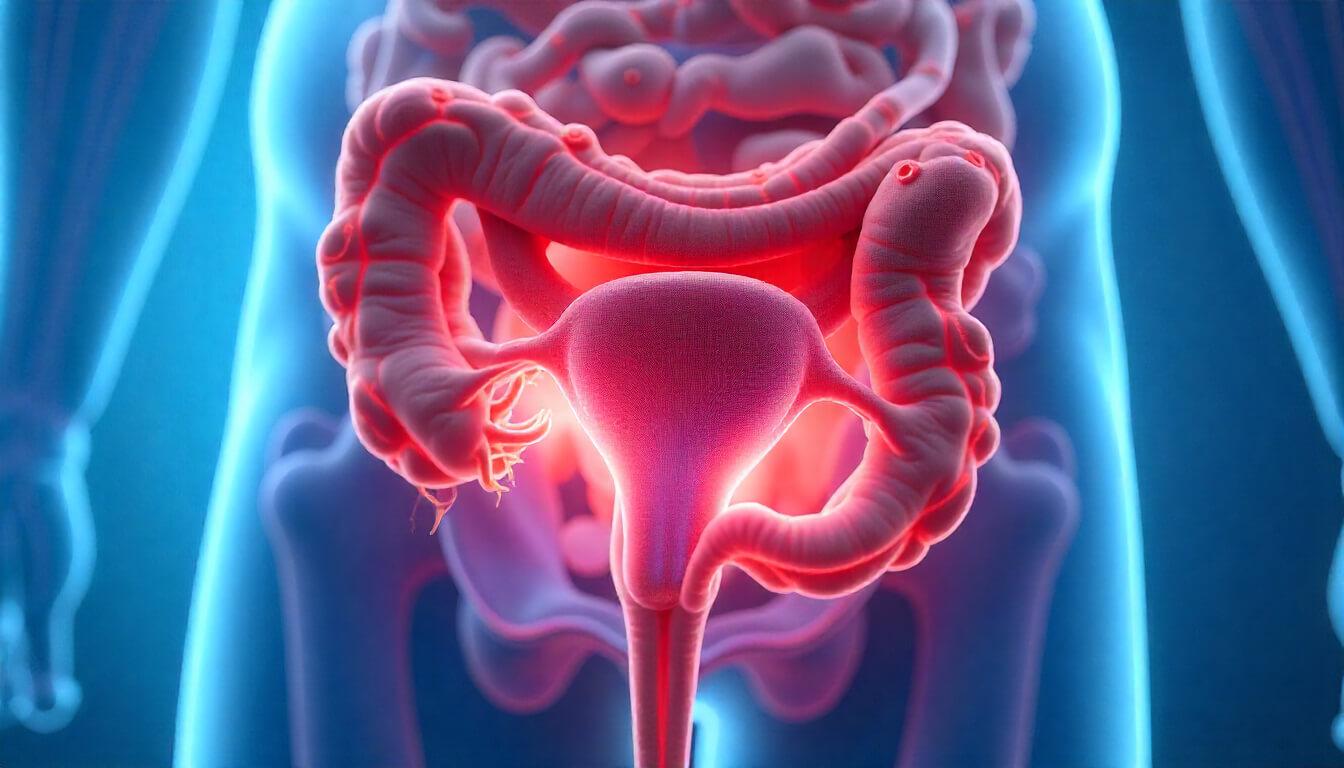
URETHRA PROCEDURES
The bladder is a hollow organ that stores urine. Common conditions include cystitis, urinary incontinence, overactive bladder, interstitial cystitis, and bladder cancer. Diagnosis may involve urine tests, imaging, and cystoscopy. Treatment varies by cause and may include medication or surgery. Related procedures include urethral stones surgery and hypospadias surgery, addressing structural or obstructive urinary issues to restore normal urinary function.
Bladder Procedures
The urinary bladder is a muscular pelvic organ that stores urine from the kidneys via the ureters. It holds 400–600 mL and expels urine through the urethra during urination. Common conditions include cystitis, stones, cancer, incontinence, overactive bladder, hematuria, retention, cystocele, and dysuria. Treatments include cystoscopy, TURBT, cystectomy, cyst lithotripsy, fistula repair, bladder augmentation, and Botox therapy for overactive bladder.
Ureteric Procedures
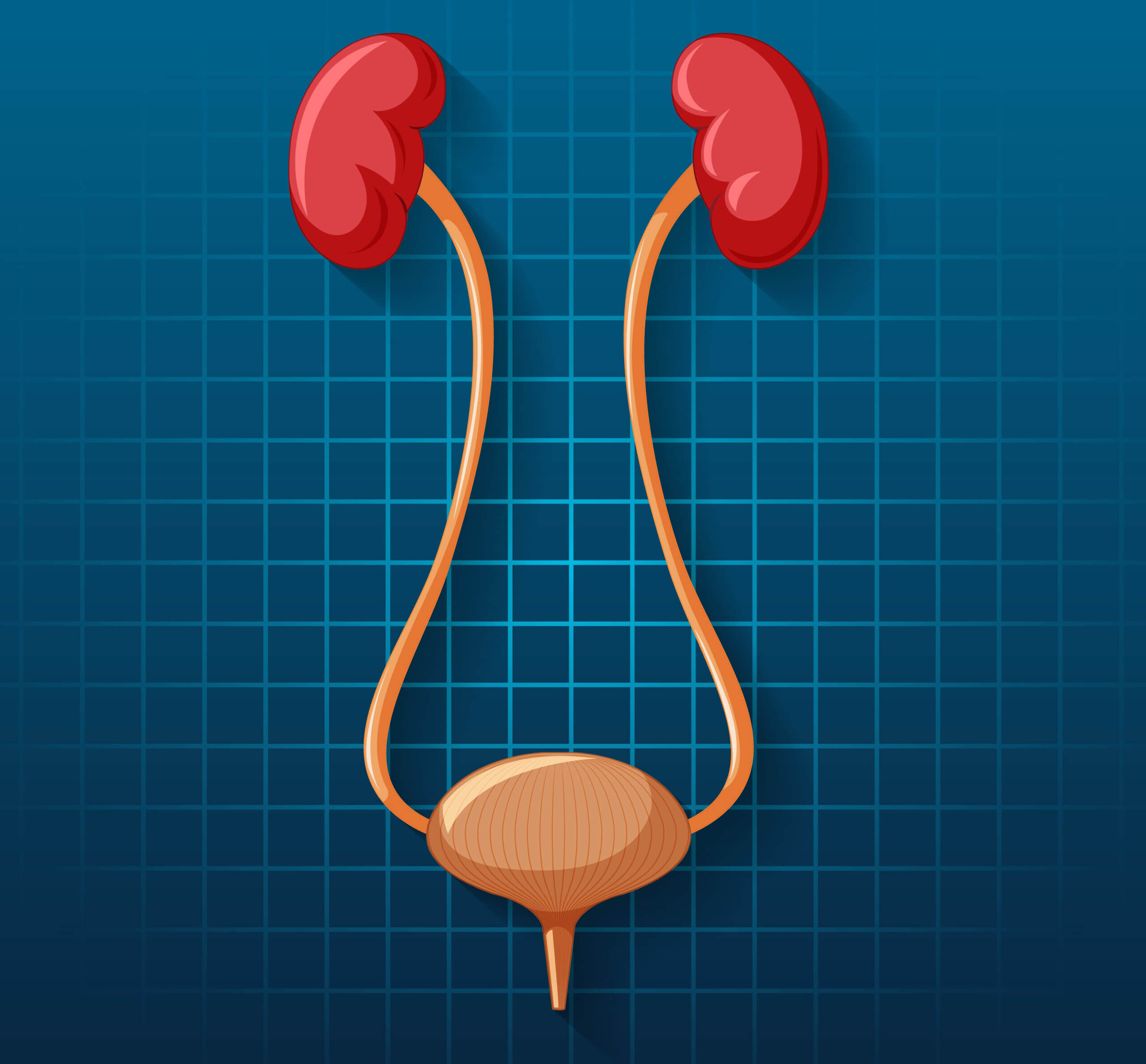
The ureters are muscular tubes that transport urine from the kidneys to the bladder, typically 20–30 cm long and lined with transitional epithelium. Conditions affecting them include infections, stones, strictures, congenital anomalies, and vesicoureteral reflux. Treatments include ureteroscopy with holmium laser lithotripsy for stones and laparoscopic surgeries such as uretero-ureterostomy, ureteric reimplantation, and Boari flap for managing ureteric strictures or abnormalities.
KIDNEY PROCEDURES
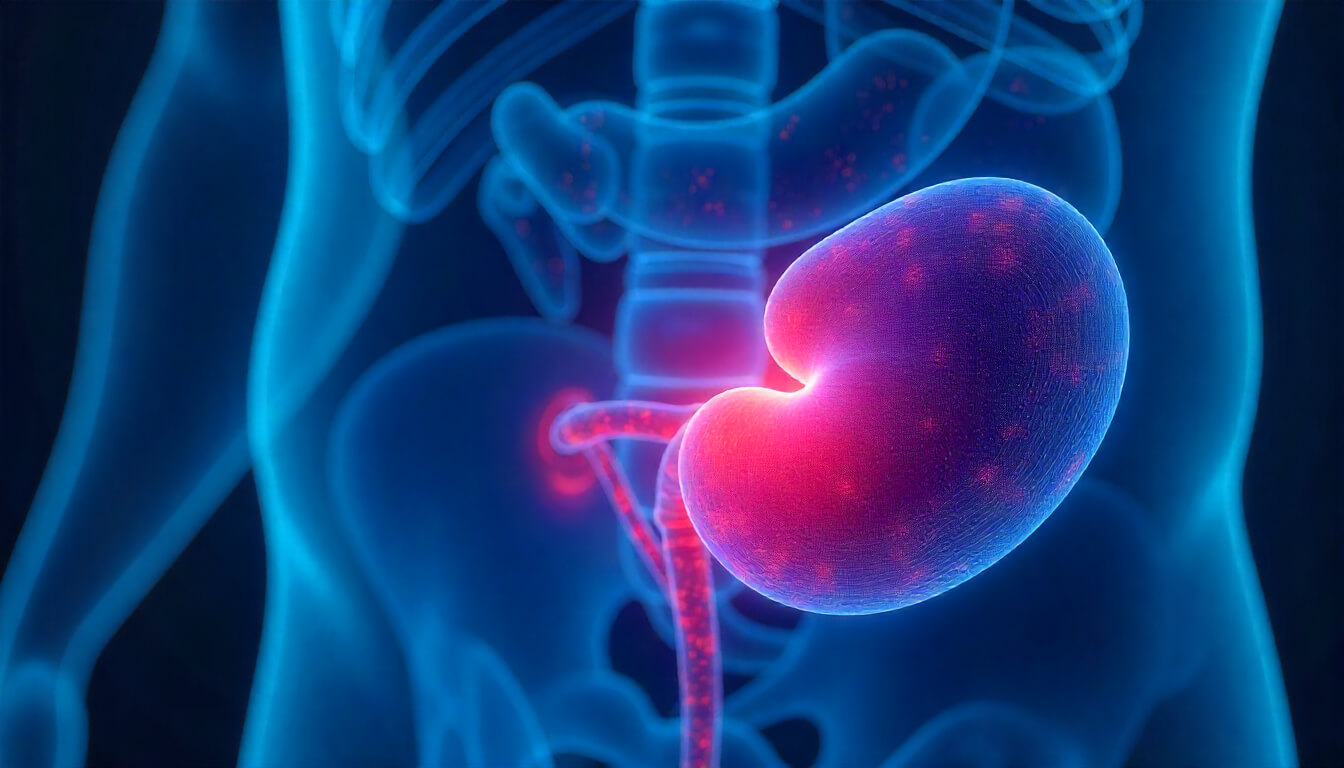
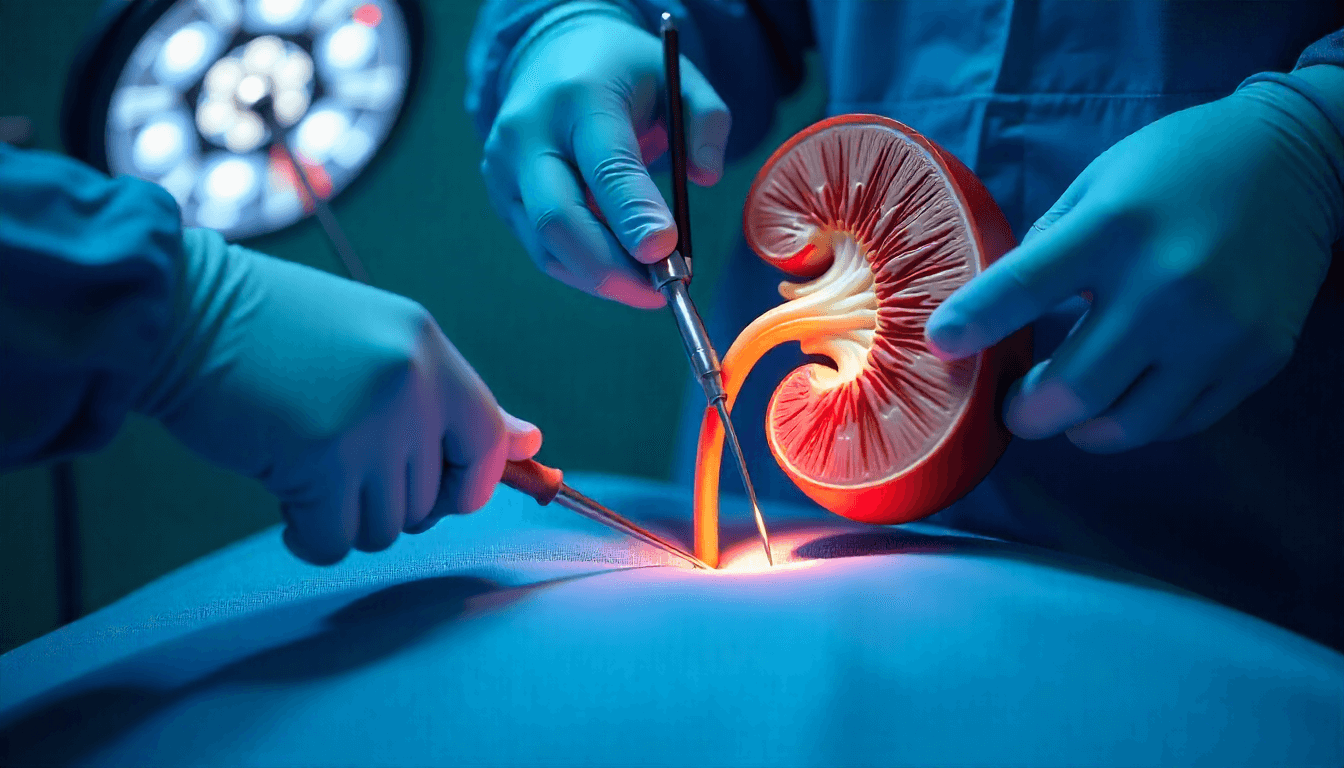
Renal surgical interventions address conditions like kidney stones, cysts, tumors, and obstructions. Treatments include non-invasive shockwave lithotripsy (SWL), PCNL, Mini Perc, and RIRS for stones; laparoscopic cyst decortication for cysts; and laparoscopic pyeloplasty for UPJ obstruction. Nephrectomy—partial or radical—may be performed for tumors or non-functioning kidneys. Minimally invasive laparoscopic techniques are preferred for faster recovery and reduced complications.
PROSTATE PROCEDURES
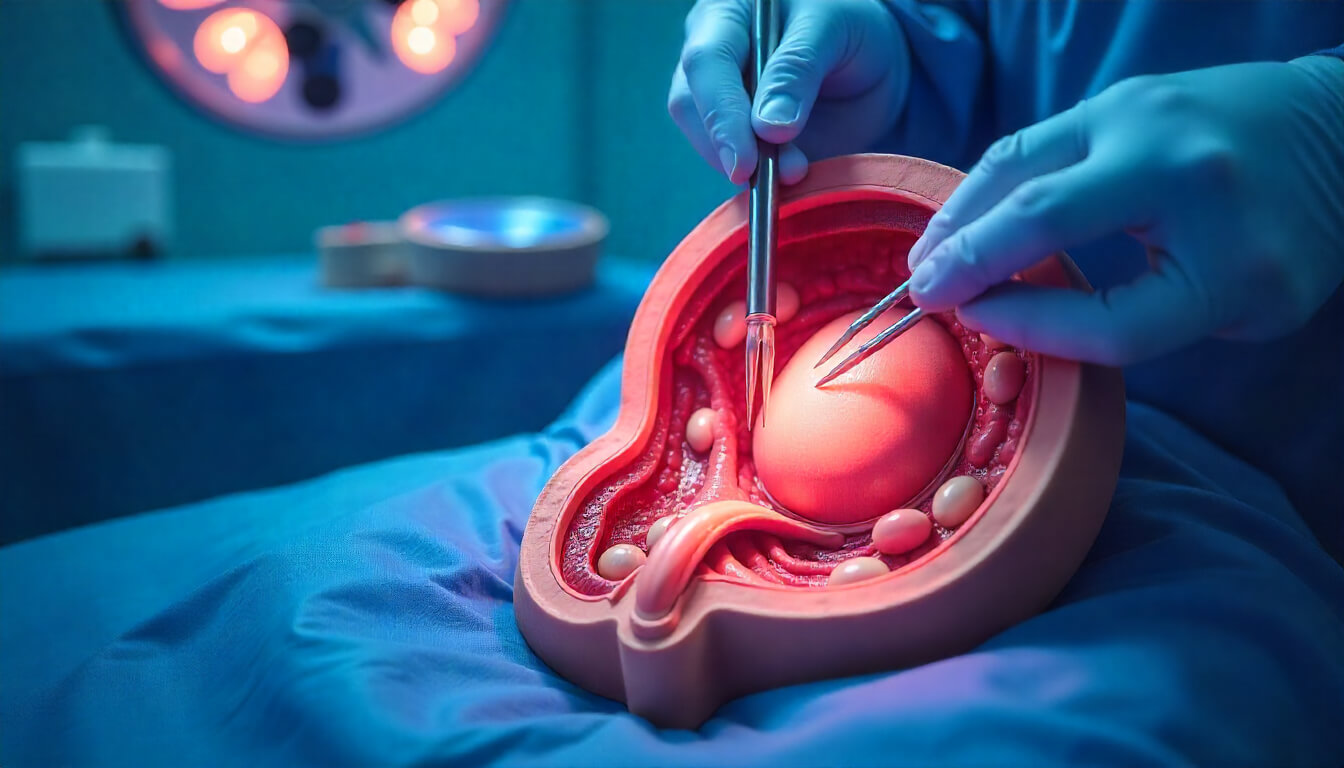
The prostate is a walnut-sized gland below the bladder, encircling the urethra, and produces fluid essential for sperm function. Common conditions include prostatitis (inflammation), benign prostatic hyperplasia (BPH), and prostate cancer. Treatments range from antibiotics and medications to surgeries like TURP and radical prostatectomy. Diagnostic and surgical procedures include TUIP, HOLEP, ultrasound-guided biopsy, and laparoscopic prostatectomy, depending on the condition’s type and severity.
Common Urological Conditions Explained
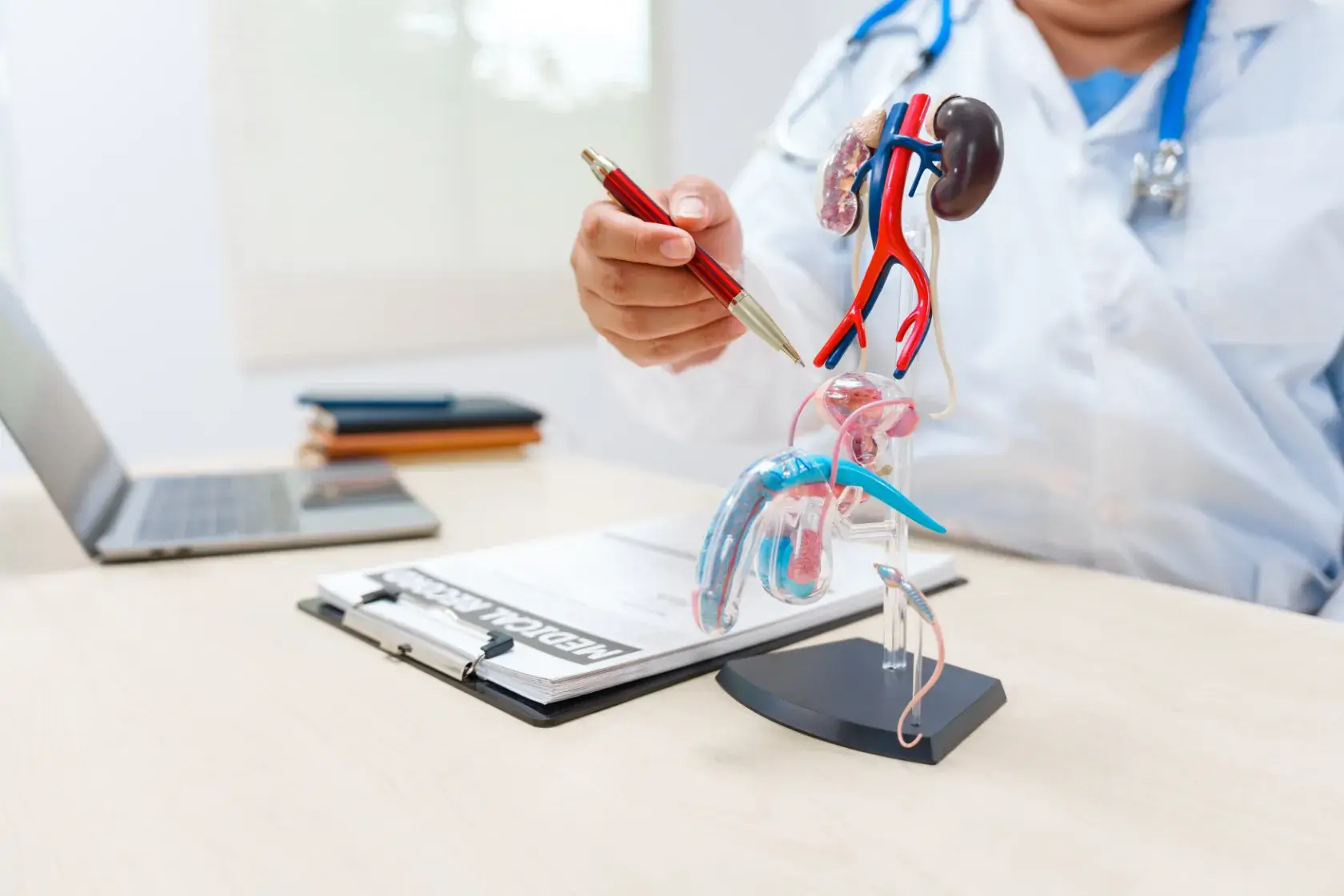
Urology deals with the health of the urinary tract system and male reproductive organs. From.....
Bladder Removal Surgery – Cystectomy
Bladder removal surgery (cystectomy) is a surgery to remove the urinary bladder. In men, removing.....
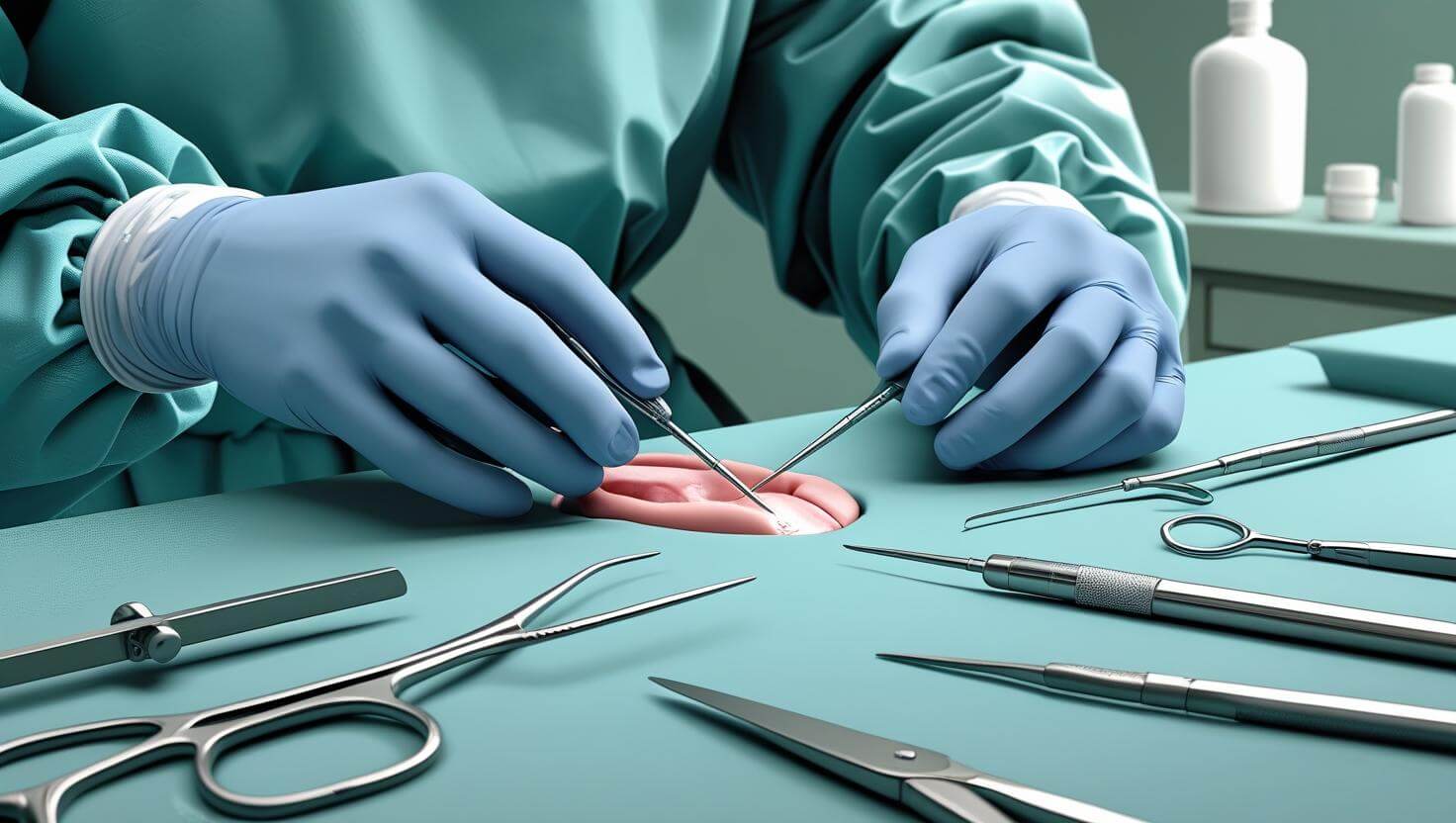
What Is Circumcision?
Circumcision removes the foreskin covering the glans (head) of the penis. Usually, babies undergo circumcision.....
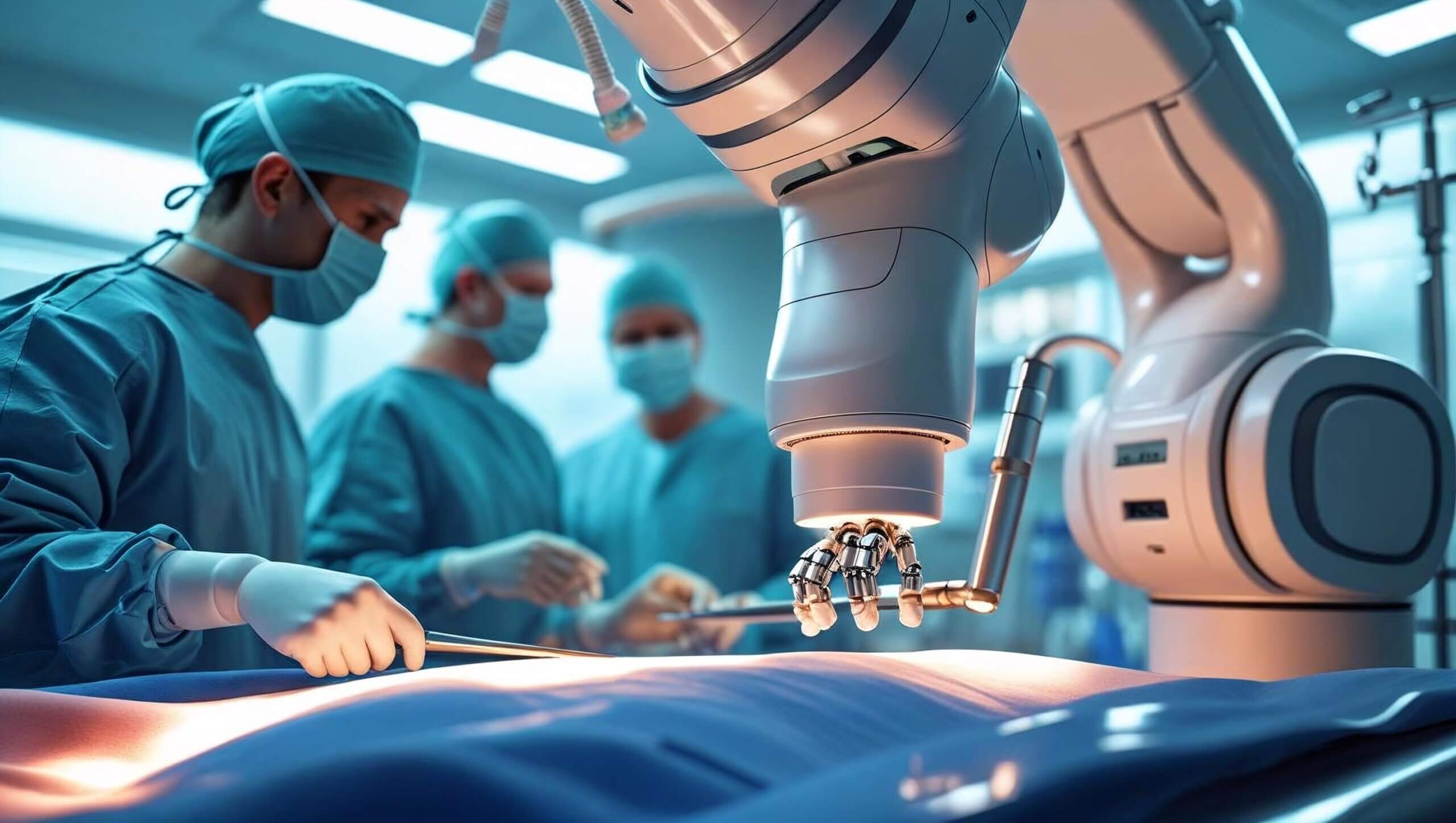
What Is Robotic Surgery?
We’re thrilled to announce a groundbreaking advancement in urological care: the inception of Robotic Urology.....