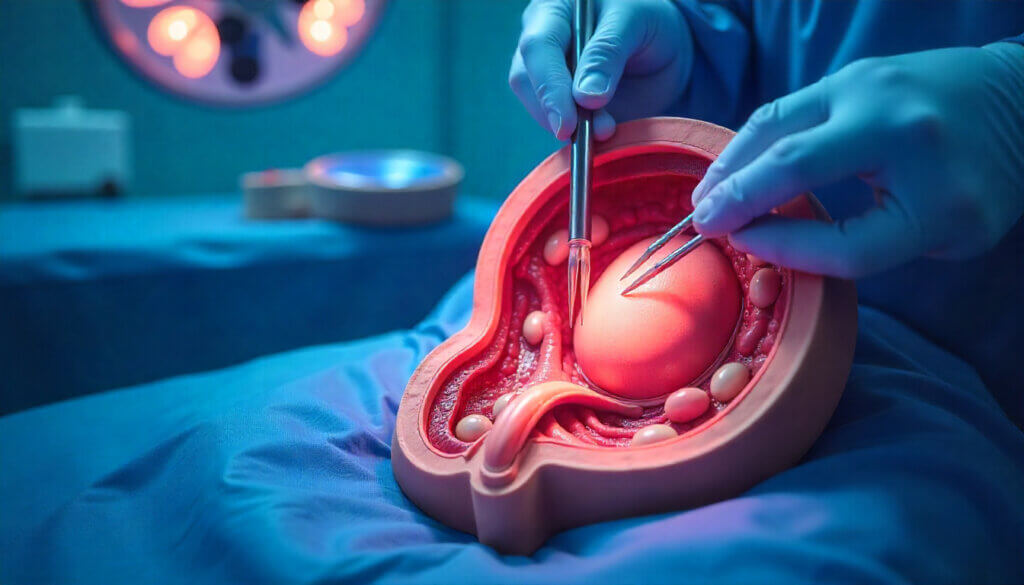
The prostate is a walnut-sized exocrine gland situated inferior to the urinary bladder and anterior to the rectum. It encircles the proximal urethra and plays a vital role in the male reproductive system by secreting prostatic fluid, a component of semen that nourishes and protects sperm. During ejaculation, the prostate contracts to expel this fluid into the urethra, aiding in semen emission.
Common Prostatic Conditions
- Prostatitis: Refers to inflammation of the prostate gland, often of infectious etiology, particularly bacterial prostatitis. It is commonly managed with antibiotic therapy and supportive measures.
- Benign Prostatic Hyperplasia (BPH): A non-malignant enlargement of the prostate gland, frequently observed in aging males, particularly those over 50. BPH can cause lower urinary tract symptoms (LUTS) such as urinary hesitancy, weak stream, and nocturia. Treatment options include pharmacotherapy (e.g., alpha-blockers, 5-alpha-reductase inhibitors) or surgical interventions such as TURP (transurethral resection of the prostate).
- Prostate Cancer: The most prevalent non-cutaneous malignancy in men. While relatively common, prostate cancer has a comparatively low mortality rate, with many cases managed successfully. Treatment modalities include radical prostatectomy, radiation therapy, androgen deprivation therapy (hormonal therapy), and chemotherapy. In select low-risk cases, active surveillance or watchful waiting may be recommended to delay intervention while monitoring disease progression.
Surgical Procedures
Transurethral Incision of Prostate (TUIP)
Transurethral Resection of Prostate (TURP)
Transrectal Ultrasound Guided Biopsy of Prostate
HOLEP (Holmium laser Enucleation of Prostate)