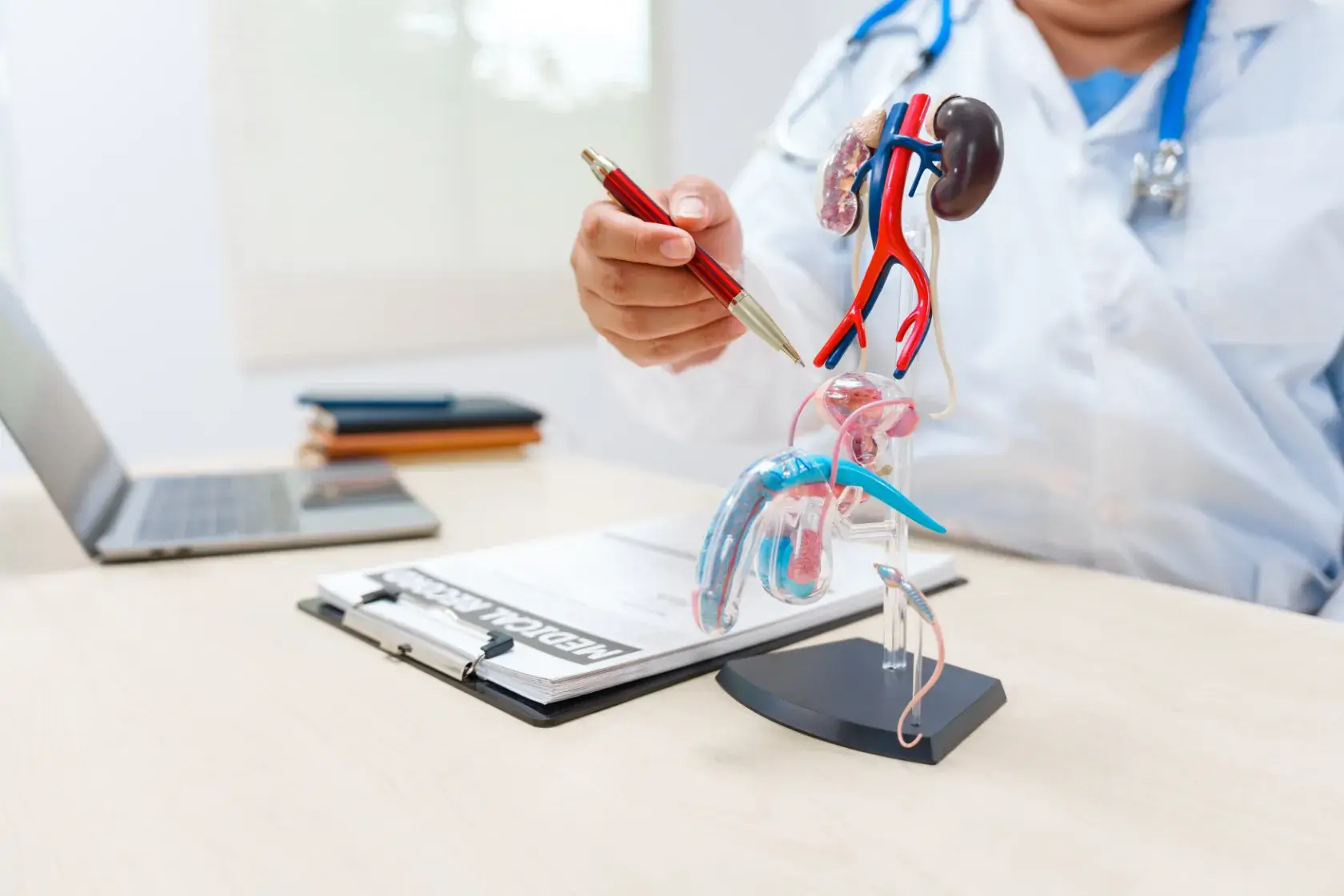
Urology deals with the health of the urinary tract system and male reproductive organs. From kidney stones to bladder issues, urological conditions can affect people of all ages and genders. Early diagnosis and treatment can prevent serious complications and improve quality of life.
Here’s a guide to some of the most common urological conditions:
1. Urinary Tract Infection (UTI)
Who it affects: Mostly women, but men and children can get UTIs too.
Symptoms:
- Burning sensation while urinating
- Frequent urge to urinate
- Cloudy or strong-smelling urine
Treatment: Usually treated with antibiotics. Staying hydrated and practicing good hygiene helps prevent recurrence.
2. Kidney Stones
Who it affects: Adults, especially men aged 30–60
Symptoms:
- Severe lower back or side pain
- Nausea or vomiting
- Blood in urine
Treatment: Small stones may pass on their own; larger ones may require shockwave therapy, medication, or surgery.
3. Benign Prostatic Hyperplasia (BPH)
What it is: Non-cancerous enlargement of the prostate in older men
Symptoms:
- Difficulty starting urination
- Weak urine stream
- Frequent urination at night
Treatment: Medication, lifestyle changes, or minimally invasive procedures.
4. Prostate Cancer
Who it affects: Primarily men over 50
Symptoms: Often asymptomatic early; advanced cases may cause:
- Difficulty urinating
- Blood in urine or semen
- Painful ejaculation
Treatment: Surgery, radiation, hormone therapy — depending on stage and health status.
5. Erectile Dysfunction (ED)
What it is: Inability to achieve or maintain an erection
Causes: Can be physical (diabetes, heart disease) or psychological (stress, anxiety)
Treatment: Lifestyle changes, medication, therapy, or medical devices.
6. Urinary Incontinence
What it is: Loss of bladder control
Types:
- Stress incontinence (leak when coughing/laughing)
- Urge incontinence (sudden intense need to urinate)
Treatment: Pelvic floor exercises, medications, or surgery.
7. Interstitial Cystitis (Bladder Pain Syndrome)
Who it affects: More common in women
Symptoms:
- Bladder pressure and pain
- Frequent urination
Treatment: Diet changes, bladder training, medication, and physical therapy.
7. Interstitial Cystitis (Bladder Pain Syndrome)
Who it affects: More common in women
Symptoms:
- Bladder pressure and pain
- Frequent urination
Treatment: Diet changes, bladder training, medication, and physical therapy.
When to See a Urologist
Don’t ignore symptoms like:
- Blood in urine
- Persistent pain in lower abdomen or back
- Urinary urgency or leakage
- Erectile dysfunction or sexual health concerns
Conclusion
Urological conditions are often treatable — and the sooner they’re addressed, the better. If you’re experiencing any unusual urinary or reproductive symptoms, consult a qualified urologist.
Would you like this styled for your WordPress or Elementor website? I can also convert it into a downloadable PDF, design a carousel post for social media, or optimize it for SEO. Just let me know!